

Learn about eating a variety of foods!
Ever wondered what eating a variety of foods looks like, why it's important or even how to do it? Check out the tips below!
what does it mean to "Eat a variety of foods"
What does it look like?
- A balanced plate of protein, carbohydrates and fat
- Diversifying your plate each meal/day/week
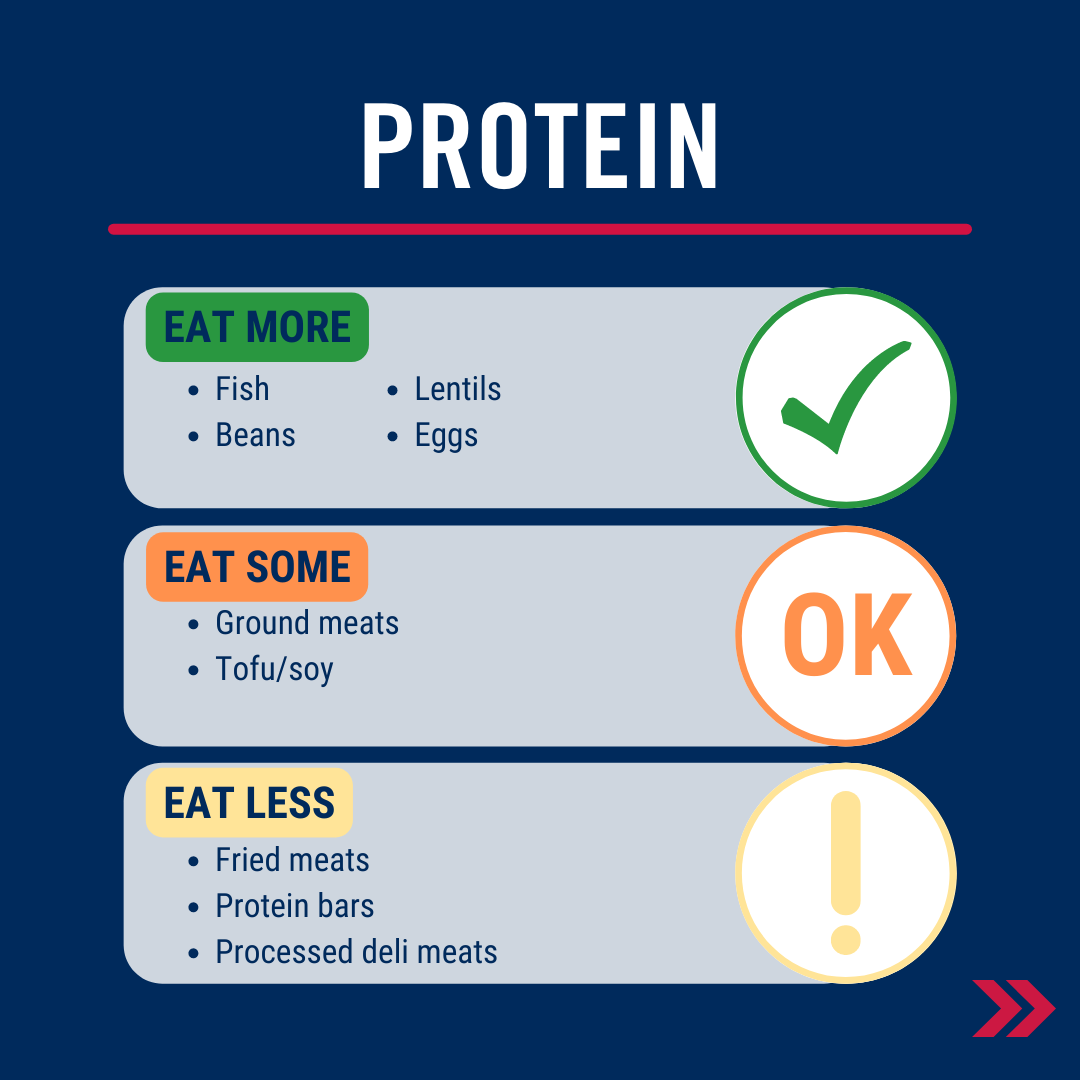 |
Protein examples include, but are not limited to, red meat, chicken, fish, eggs or plant-based sources. Prioritize fresh, lean, minimally processed sources of protein. |
 |
Focus on whole, minimally processed sources of carbohydrates that pack lots of nutrition and fiber - beans, quinoa, rice (wild & white), granola, whole grain bread, pasta. |
 |
Aim for a mix of whole-food fats, blended whole foods (nut butters), pressed oils (olive/avocado). |
Why is it important?
-
Rotating what you eat increases the diversity of nutrients to the body.
-
Keeps things interesting with textures and flavours.
-
Get the most out of your ingredients so that none of your groceries go to waste.
-
Find the foods that give you the most energy and make you feel great in your day!
How to do it!
- Finding what works for you and mastering those meals, snacks, and strategies to ensure you are getting a variety of foods each day.
- Eat meals instead of just snacking all day!
- Cook at home so that you can control what goes into the dishes you’re making.
- Learn to use one ingredient in a variety of ways (i.e. spinach in a salad, sautéed, or in a smoothie).
- Packing grab n’ go snack packs consisting of veggies/dried fruit & nuts/granola, etc.
- Limiting food products that contain more than 5 ingredients.

 |
 |
 |
 |
There are many places that offer a variety of foods. Here are a few helpful places and tips for the next time you purchase groceries!
Local grocery stores
- Shopping the periphery of the stores where you’ll find the majority of the whole foods.
- Using coupons to take advantage of deals and/or collect points.
- Shopping the clean 15 and dirty dozen – affording organic foods.
Markets
- Pricier than grocers but normally supplied by local farmers who can speak on the quality of their products.
- Buy fruits and veggies at the height of their season (cheaper because abundant) and freeze them for those darker, colder months. Freezing does not significantly diminish the nutritional value of produce.
Food halls
- Identifying what whole foods are being served at your food hall
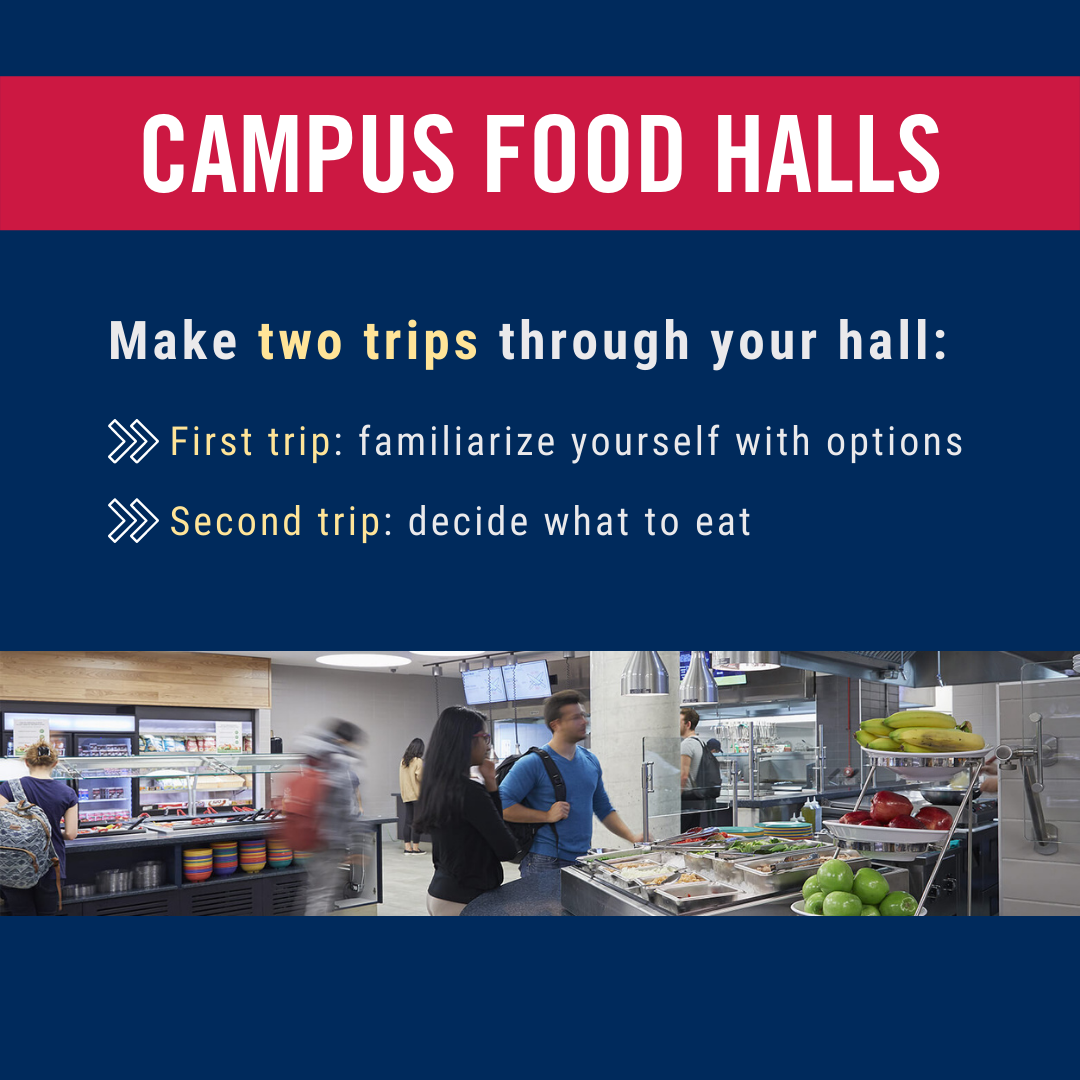
- First trip: familiarize yourself with the options available
- Second trip: decide what to eat
Dining out
Choosing the healthier options depending on the time of day/how food affects you/budget
- Larger breakfast to fuel for the day
- Medium lunch
- Smaller dinner before shutting down for the day
Online delivery
- Selecting a variety of colourful, whole foods
- Building dishes around minimally processed protein, fat, and carbohydrate sources
- Using coupons to take advantage of deals and/or collect points.
- examples: Chefs Plate, Hello Fresh,