
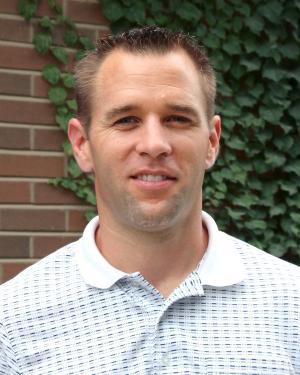
About Daniel
B. Kinesiology (Hon), McMaster University
PhD Kinesiology, McMaster University
Dr. Daniel Moore specializes in muscle protein metabolism, musculoskeletal health, sports nutrition, training adaptations, and muscle stem cell regulation. His research examines the powerful relationship between exercise and nutrition across the lifespan. Moore investigates how nutrition, especially dietary protein, can enhance the benefits of physical activity, support recovery, and promote healthy growth and development. His work aims to establish evidence-based nutritional recommendations for active youth and clinical populations. He has received numerous honours, including NSERC and CIHR doctoral fellowships, a Canada Foundation for Innovation award, and the American Society for Nutrition’s Young Investigator Award. His research has been widely published in leading nutrition and physiology journals. Full profile on DiscoverResearch.
Skeletal muscle remodeling
Protein metabolism
Exercise and disuse
Growth and development
Sports nutrition
Watch video of Daniel Moore discussing his research alongside Assistant Professor Jenna Gillen of KPE
Hannaian, S., Hodson, N., Abou Sawan, S., Mazzulla, M., Kato, H., Waskiw-Ford, M., Kumbhare, D., Moore, D.R. (2020). Leucine-enriched amino acids maintain peripheral mTOR-Rheb localization independent of myofibrillar protein synthesis and mTORC1 signaling post-exercise. Journal of Applied Physiology. 129.
Moore, Daniel. (2020). One size doesn't fit all: postexercise protein requirements for the endurance athlete. The American journal of clinical nutrition.
Tinline-Goodfellow, C., West, D., Malowany, J., Gillen, J., Moore, D.R. (2020). An Acute Reduction in Habitual Protein Intake Attenuates Post Exercise Anabolism and May Bias Oxidation-Derived Protein Requirements in Resistance Trained Men. Frontiers in Nutrition.
Moore, Daniel. (2019). Maximizing Post-exercise Anabolism: The Case for Relative Protein Intakes. Frontiers in Nutrition. 6.
Mazzulla, M., Abou Sawan, S., Williamson, E., Hannaian, S.,Volterman, K.,West, D., Moore, D. R. (2019). Protein Intake to Maximize Whole-Body Anabolism during Postexercise Recovery in Resistance-Trained Men with High Habitual Intakes is Several Fold Greater than the Current Recommended Dietary Allowance. The Journal of nutrition. 150.
Hodson, N., West, D., Philp, A.,Burd, N.,Moore, D.R. (2019). Molecular regulation of human skeletal muscle protein synthesis in response to exercise and nutrients: A compass for overcoming age-related anabolic resistance. American Journal of Physiology-Cell Physiology. 317.
Moore D. R. (2019). Protein Metabolism in Active Youth: Not Just Little Adults. Exercise and sport sciences reviews, 47(1), 29–36.
Malowany, J. M., West, D., Williamson, E., Volterman, K. A., Abou Sawan, S., Mazzulla, M., & Moore, D. R. (2019). Protein to Maximize Whole-Body Anabolism in Resistance-trained Females after Exercise. Medicine and science in sports and exercise, 51(4), 798–804.
Kato, H., Suzuki, K., Bannai, M. & Moore, D.R. (2016). Protein requirements are elevated in endurance athletes after exercise as determined by the indicator amino acid oxidation method. PLoSOne, 11(6):e0157406
Moore, D. R. (2015). Nutrition to support recovery from endurance exercise: optimal carbohydrate and protein replacement.Current Sports Medicine Reports, 14(4), 294-300.
American Society for Nutrition
Canadian Society for Exercise Physiology